Reliability Testing

Get it right first time, every time

Innovative designs build sales. Reliable designs build brands.

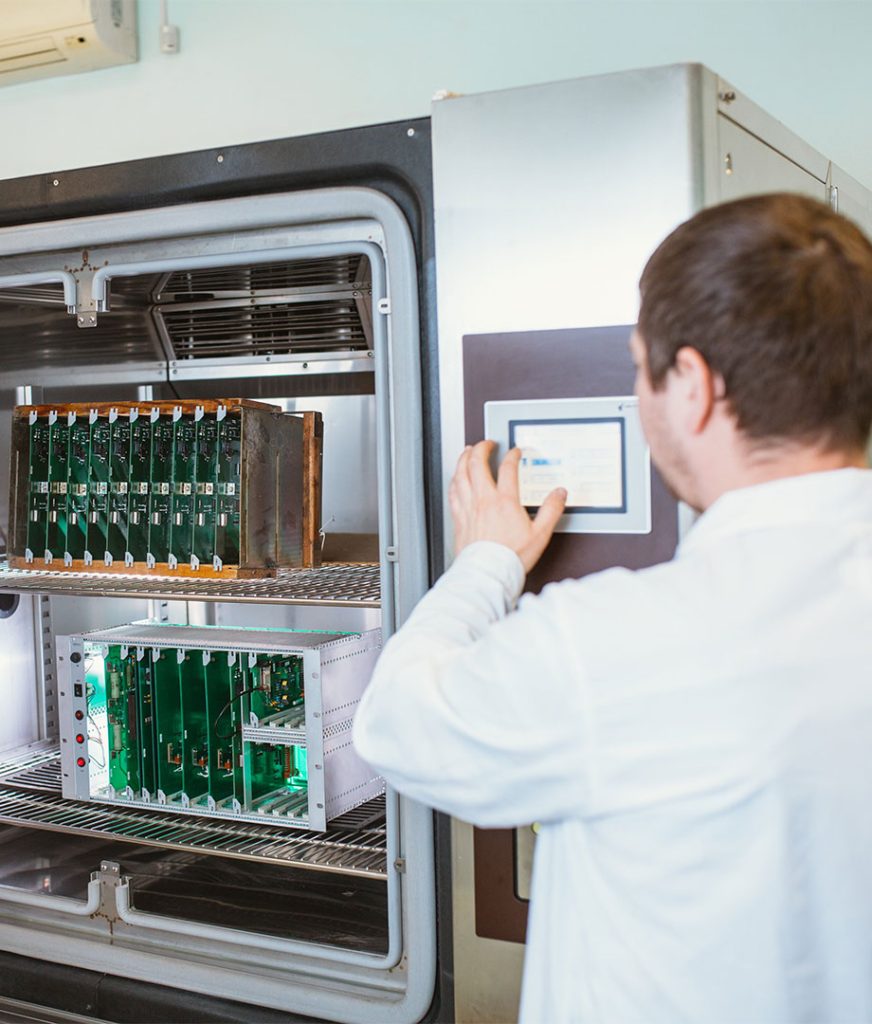
Product under environmental stress testing
Line Left
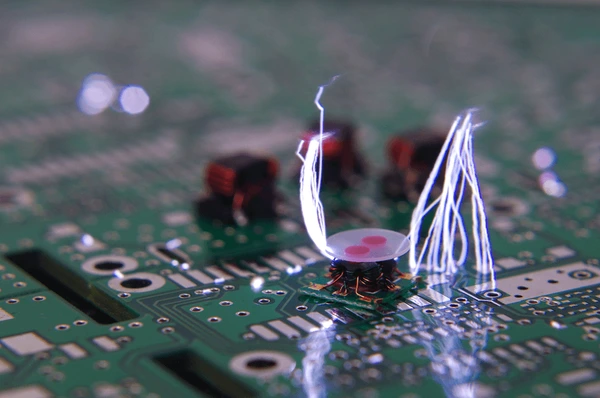
ESD (Electrostatic Discharge) Testing Process

Highly Accelerated Life Testing (HALT)

HALT’s value is in the product development process. It isn’t a test you want to pass. You are looking for opportunities to observe failure. These observations make it possible to ruggedize the product in a short time frame.
HALT Testing
Maturing your products in the field means your customer is part of your reliability engineering team.  No customer wants that.
HALT testing aims to provide rapid design improvement input by applying stepped stresses until the design fails. These forced failures yield tremendous information about how a design works and where it is vulnerable. It is critical information that can be delivered in just three days.
Line Left 2

Accelerated Life Testing

Imagine believing that your product has a ten-year life only to find out that it, in fact, has a critical wear-out mechanism at six years. This type of error is very easy to make by not following the ALT process correctly.

Accelerated Life Testing (ALT) provides the answer to the critical question, “When will my product wear out?” Every product development team and every customer wants to know the answer to that question. ALT provides it in a very compressed timeframe.

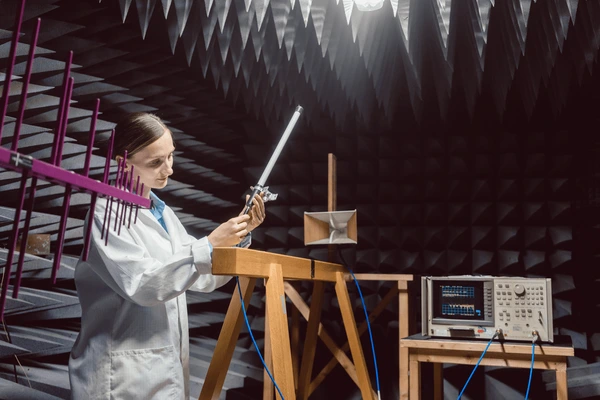
Team performing EMC Testing
Reliability testing occurs always.
The question is, who is doing the testing, you or your customer?

Here are four tests your products should be undergoing, so they stay reliable when they are in your customer’s hands.

halt icon white

Highly Accelerated Life Test (HALT)

alt icon white

Accelerated Life Testing

halt icon white

Reliability Growth

halt icon white

Highly Accelerated Stress Screening (HASS)

Line Left 2
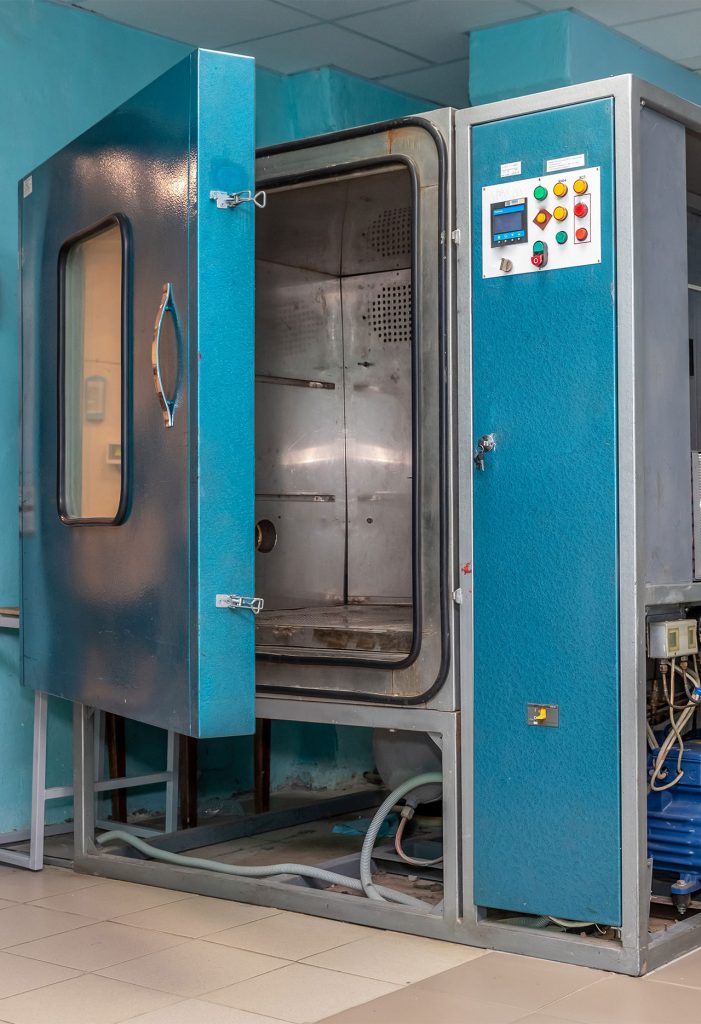
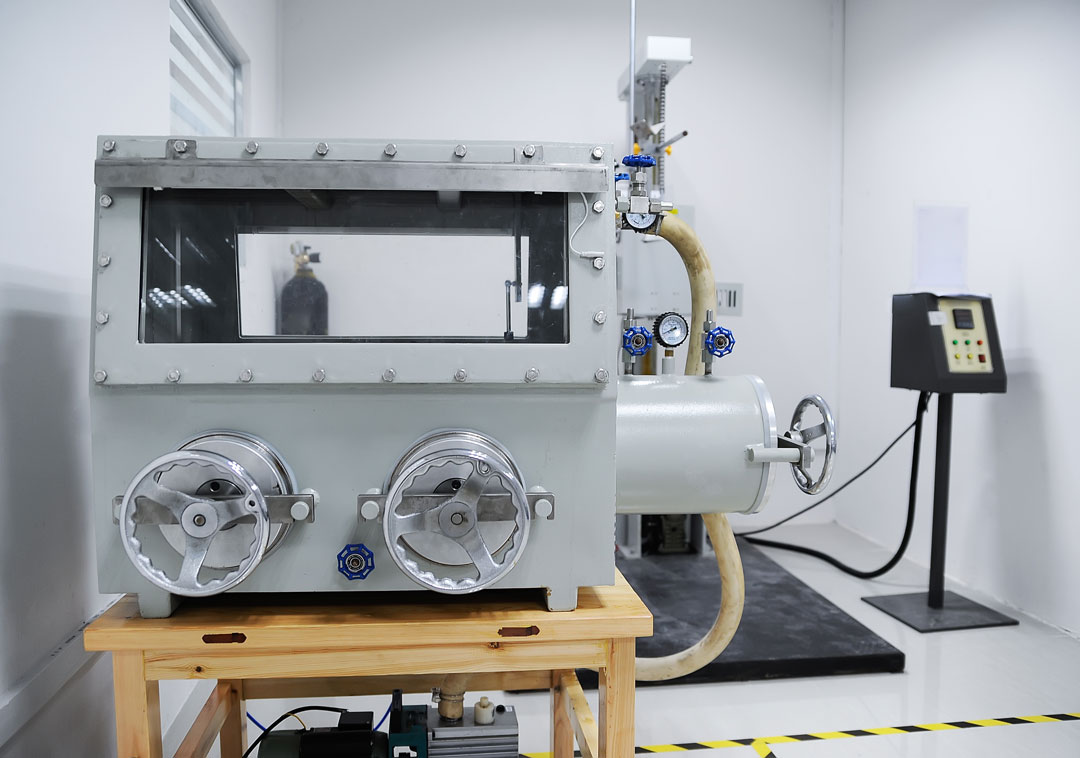
Humidity Testing performed in the lab

Environmental Testing

Environmental testing assesses a product’s ability to withstand environmental conditions it may encounter during its lifecycle. This type of testing simulates different factors such as extreme temperatures, humidity, dust, and corrosion to determine if a product can endure real-world scenarios. By exposing products to such conditions, manufacturers can assess their durability and robustness, ensuring that they meet specified environmental standards and will function reliably over time.

Line Left 2

ISTA (International Safe Transit Association) Testing

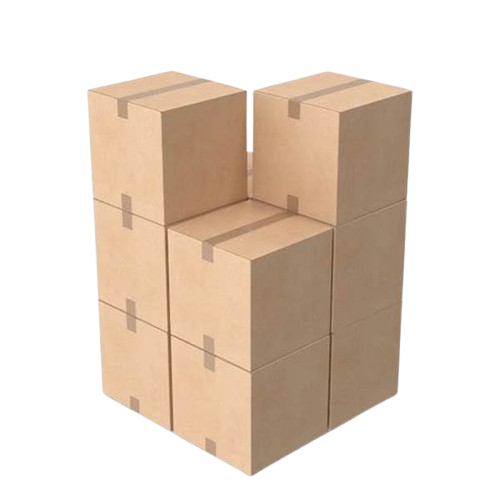
ISTA testing evaluates the packaging and transportation reliability of products by simulating shipping conditions. This type of testing checks if the product and its packaging can survive impacts, vibrations, drops, and stacking stresses commonly encountered during transportation. ISTA testing helps companies ensure that their products reach customers without damage, reducing the risk of returns and improving customer satisfaction.
ista
Line Left 2
esd

ESD (Electrostatic Discharge) Testing

ESD testing measures a product’s resilience to electrostatic discharges, which can occur when static electricity builds up and is suddenly released. Such discharges can damage sensitive electronics, causing malfunctions or permanent failure. ESD testing ensures that products, especially those with electronic components, can withstand these discharges, helping to prevent unintentional damage and enhance reliability in various environments.
Line Left 2

EMC (Electromagnetic Compatibility) Testing

EMC testing evaluates a product’s ability to operate in its electromagnetic environment without causing or suffering from interference. This testing is essential for electronic products to ensure they can function reliably without emitting or being affected by electromagnetic interference from other devices. EMC compliance is critical in fields like medical devices, automotive, and aerospace, where interference could have significant safety implications.
emc
Line Left 2
vibration

Vibration Testing

Vibration testing simulates the mechanical vibrations a product might experience during its lifecycle, such as during transportation or operation in machinery. This testing helps identify weak points in the design and construction that could lead to failures over time. Vibration testing is crucial for products subjected to constant or repeated movement, as it ensures their durability and resistance to such forces.
Line Left 2

Shock Testing

Shock testing assesses a product’s ability to withstand sudden impacts or jolts, such as drops or collisions. This type of testing is designed to simulate real-world scenarios where products might be subjected to unexpected forces. Shock testing is important for products that could be dropped or hit, ensuring they can endure these events without failure, especially for fragile or sensitive items.
shock
Line Left 2
humidity

Humidity Testing

Humidity testing evaluates a product’s resistance to moisture and high humidity conditions, which can cause corrosion, mold growth, and other issues. By subjecting products to humid environments, manufacturers can assess how well they withstand these conditions and identify any susceptibility to moisture-related damage. Humidity testing is especially relevant for products used in environments where moisture exposure is likely, ensuring they remain functional and reliable over time.

We have access to testing labs in every US state to ensure you get exactly the test you need in the most accessible way possible

Every testing program is overseen by a certified reliability engineer and test team to ensure you get the best results the first time

Your Journey to creating highly robust products start here.